


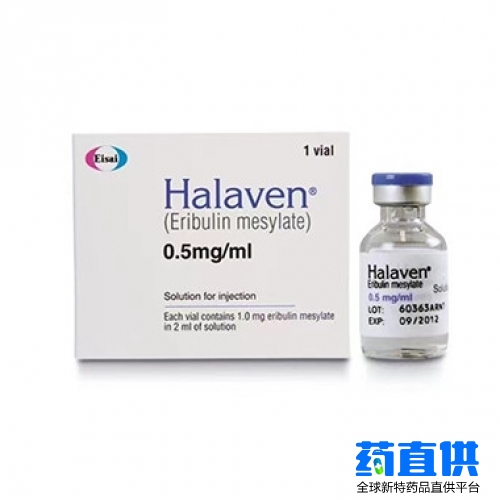
 日本卫材
日本卫材 
 印度cipla
 When it comes to translating the name \"艾立布林\" into English, the most commonly used term is \"Mitobulin.\" This name is derived from the compound's main characteristic, which is its ability to target and disrupt the functioning of mitochondria in cells. Mitobulin consists of two components: \"mito,\" which refers to mitochondria, and \"bulin,\" indicating its inhibitory action. Therefore, the English name \"Mitobulin\" effectively captures the essence of this compound and is widely accepted within the scientific community.
Mitobulin has shown promising potential as an anticancer agent due to its ability to selectively target and destroy cancer cells. By disrupting the mitochondrial function, Mitobulin induces programmed cell death, known as apoptosis, in cancer cells while sparing healthy cells. This targeted approach reduces the toxic side effects often associated with traditional chemotherapy drugs. Moreover, Mitobulin has been found to be effective against various types of cancer, including lung, breast, and colon cancer.

Apart from its anticancer properties, Mitobulin has been investigated for its potential use as an insecticidal agent in agriculture. It has demonstrated high efficacy in controlling insect populations, including agricultural pests and disease vectors such as mosquitoes. The compound disrupts the insect's mitochondrial function, thus preventing energy production and eventually leading to its death. This targeted approach not only reduces the usage of harmful pesticides but also helps in preserving beneficial insects, promoting ecological balance in agricultural ecosystems.
Furthermore, Mitobulin has shown potential in the field of biotechnology. Researchers are exploring its applications in the development of new drugs, particularly those targeting mitochondrial diseases. Mitochondrial dysfunction plays a crucial role in several genetic disorders, and Mitobulin's ability to modulate mitochondrial function provides hope for the treatment of such conditions. Additionally, Mitobulin has been studied for its potential use in increasing energy production in cells, which could have implications for various medical conditions related to energy metabolism.
In conclusion, Mitobulin, also known as \"艾立布林\" in Chinese, is a compound that has garnered significant attention due to its diverse range of applications. The translation of \"艾立布林\" into English as \"Mitobulin\" effectively captures the compound's main characteristics and is widely accepted within the scientific community. Its targeted approach in disrupting mitochondrial function has shown promise as an anticancer agent, insecticide, and potential treatment for mitochondrial disorders. As research and development in this field continues, Mitobulin's potential may lead to groundbreaking advancements in medicine, agriculture, and biotechnology.
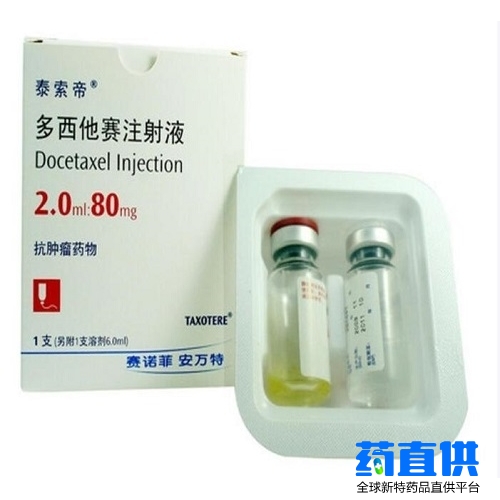
 法国赛诺菲
法国赛诺菲 
 印度natco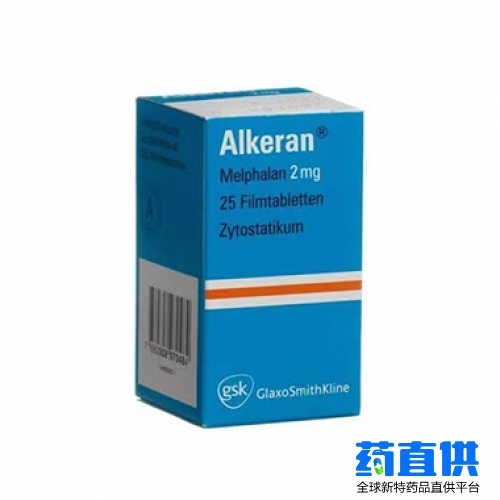
 英国葛兰素史克


