


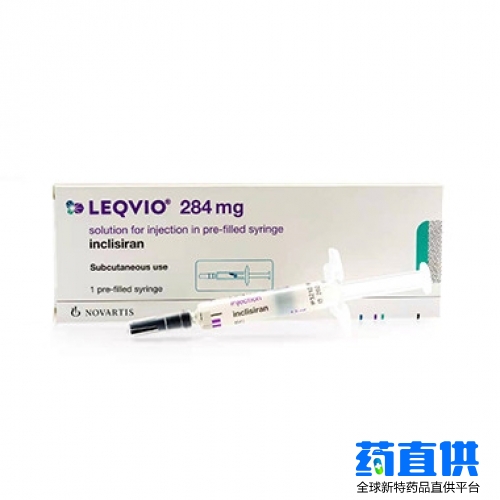
 瑞士诺华制药
 Coronary heart disease (CHD) is a prevalent health condition that occurs when the blood vessels supplying oxygen-rich blood to the heart become narrow or blocked. One of the major risk factors for CHD is high cholesterol levels, specifically elevated low-density lipoprotein cholesterol (LDL-C). As such, finding effective treatment options to reduce LDL-C levels has become vital in managing CHD. In recent years, a new medication called Inclisiran has emerged as a potential solution for individuals suffering from high cholesterol or lipid abnormalities. In this article, we will explore whether or not Inclisiran is truly effective in the treatment of CHD.
Inclisiran is a type of medication known as a small interfering RNA (siRNA) therapy. It works by targeting specific genes related to cholesterol metabolism and inhibiting their function. By doing so, Inclisiran reduces the production of LDL-C in the liver, leading to a decrease in blood cholesterol levels.
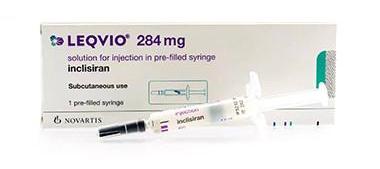
Several clinical trials have evaluated the effectiveness of Inclisiran, and the results have been promising. The ORION-10 and ORION-11 trials, which included patients with high cholesterol or genetic lipid disorders, showed significant reductions in LDL-C levels. In fact, ORION-11 demonstrated an impressive reduction of up to 53% in LDL-C after six months of treatment. Similarly, long-term studies such as ORION-8 and ORION-9 have reported sustained and consistent reductions in LDL-C over a period of 18 months with Inclisiran treatment.
Furthermore, Inclisiran has also demonstrated its efficacy in lowering LDL-C levels in patients who are already on maximally tolerated statin therapy. This is significant as some individuals might not respond adequately to statins alone and may require additional treatment options. In a study called ORION-4, Inclisiran was shown to reduce LDL-C by approximately 50% among individuals who were unable to achieve their target cholesterol levels despite receiving statin therapy.
Apart from its cholesterol-lowering effects, Inclisiran has also shown favorable safety profiles. Common side effects reported in clinical trials were generally mild and temporary, such as injection site reactions or flu-like symptoms. Importantly, there were no serious adverse events related to Inclisiran treatment observed during these trials.
As with any medication, it is important to consider potential limitations. While Inclisiran has demonstrated positive results in multiple trials, its long-term effects are not yet fully known. Additionally, cost considerations may also come into play as siRNA therapies can be relatively expensive. However, further research and cost-effectiveness analyses will provide a better understanding of the long-term benefits and practicality of Inclisiran as a treatment option for CHD.
In conclusion, Inclisiran has shown promising results in reducing LDL-C levels in patients with high cholesterol or lipid abnormalities. Its ability to lower cholesterol levels, especially among individuals who are already on statin therapy, presents a potential breakthrough in the management of CHD. However, further studies are required to determine the long-term effectiveness and safety of Inclisiran. With ongoing research and assessment of cost-effectiveness, Inclisiran may prove to be a valuable addition in the treatment of CHD, offering hope to individuals with high cholesterol or lipid abnormalities.
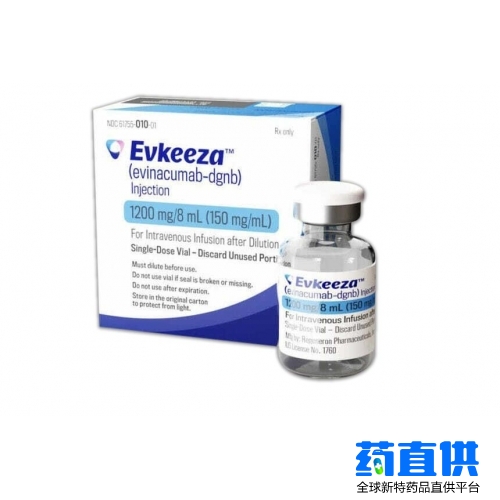
 美国再生元
美国再生元 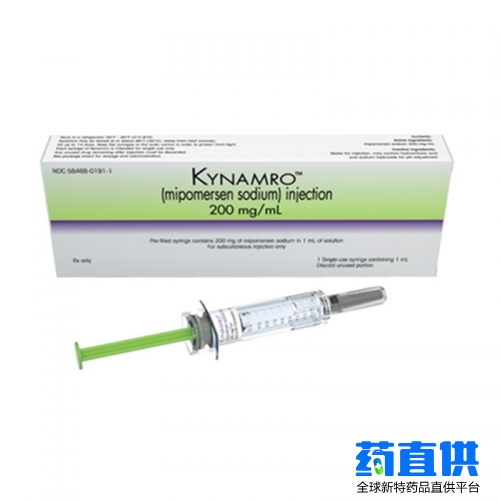
 美国Kastle
 美国默沙东
美国默沙东 


