


 美国Horizon Pharma
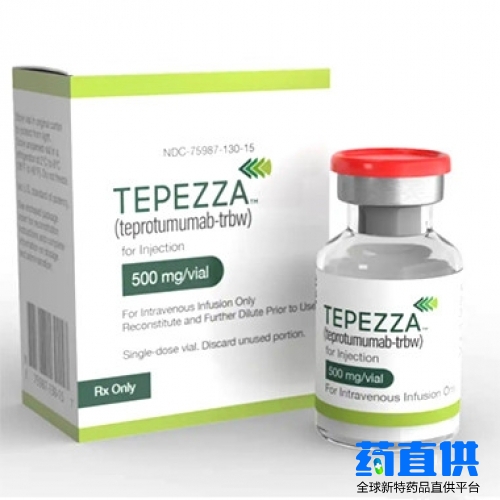
 Tepezza, also known as Teprotumumab-trbw, is a groundbreaking medication used to treat thyroid eye disease (TED). TED is a condition characterized by the protrusion of the eyes, causing discomfort and impacting vision. With the release of this novel drug, a heated debate has emerged regarding its cost and affordability.
Developed by Horizon Therapeutics, Tepezza has been hailed as a game-changer in treating TED. Clinical trials have shown remarkable results, with a substantial improvement in eye bulging, inflammation, and overall quality of life for patients. However, with all its benefits, the medication comes with a hefty price tag.
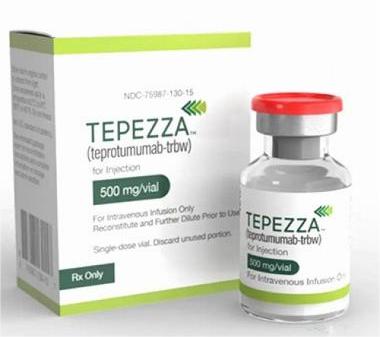
At an average cost of $14,900 per vial and requiring a total of eight infusions over 24 weeks, Tepezza is undeniably expensive. For individuals without medical insurance coverage, this cost could be financially crippling. Critics argue that such exorbitant pricing limits access to a potentially life-changing therapy for many patients.
Proponents of high drug prices argue that the development of new medicines involves substantial research and development costs. Pharmaceutical companies invest heavily in clinical trials, testing, manufacturing, and regulatory processes that demand significant financial resources. They argue that pricing reflects the efforts and expenses required to bring these innovative therapies to market.
However, opponents counter that the pricing of Tepezza cannot be justified solely based on research and development costs. They argue that high prices only serve to maximize profit margins and benefit shareholders, often at the expense of patients who are in desperate need of accessible treatments. In the case of Tepezza, the pricing seems to outweigh the benefits for the majority who cannot afford it.
The affordability issue is further intensified by the fact that TED often affects individuals during their prime working years. People with TED can experience not only physical discomfort but also social and professional setbacks, as their appearance and vision may be significantly impacted. The high cost of Tepezza limits opportunities for these individuals to regain their health and improve their quality of life, potentially leading to long-term economic consequences.
Some pharmaceutical companies offer patient assistance programs to make their medications more accessible to those in need. However, critics argue that these programs are often bureaucratic, limited in scope, and not comprehensive enough to address the affordability crisis at its core.
The discussion surrounding the pricing of Tepezza is not unique to this specific drug but represents a broader issue within the pharmaceutical industry. Balancing the development of life-changing pharmaceuticals with affordability is a complex challenge. Patient advocacy groups and lawmakers have been calling for reforms to address this crisis and make medications more affordable for all.
In conclusion, the pricing of Tepezza has sparked an ongoing debate regarding its accessibility. While some argue that the high price is justified based on research and development costs, others contend that it limits much-needed access to a potentially life-altering therapy for patients with TED. The issue of affordability in the pharmaceutical industry is one that demands attention and calls for reforms to ensure fairness and equity in accessing innovative treatments.


